Politics
Amarillo Overhauls Zoning Rules to Transform Housing and Business Development
Local residents and businesses will see changes in land use regulations aimed at balancing development with community needs.
How we reported this
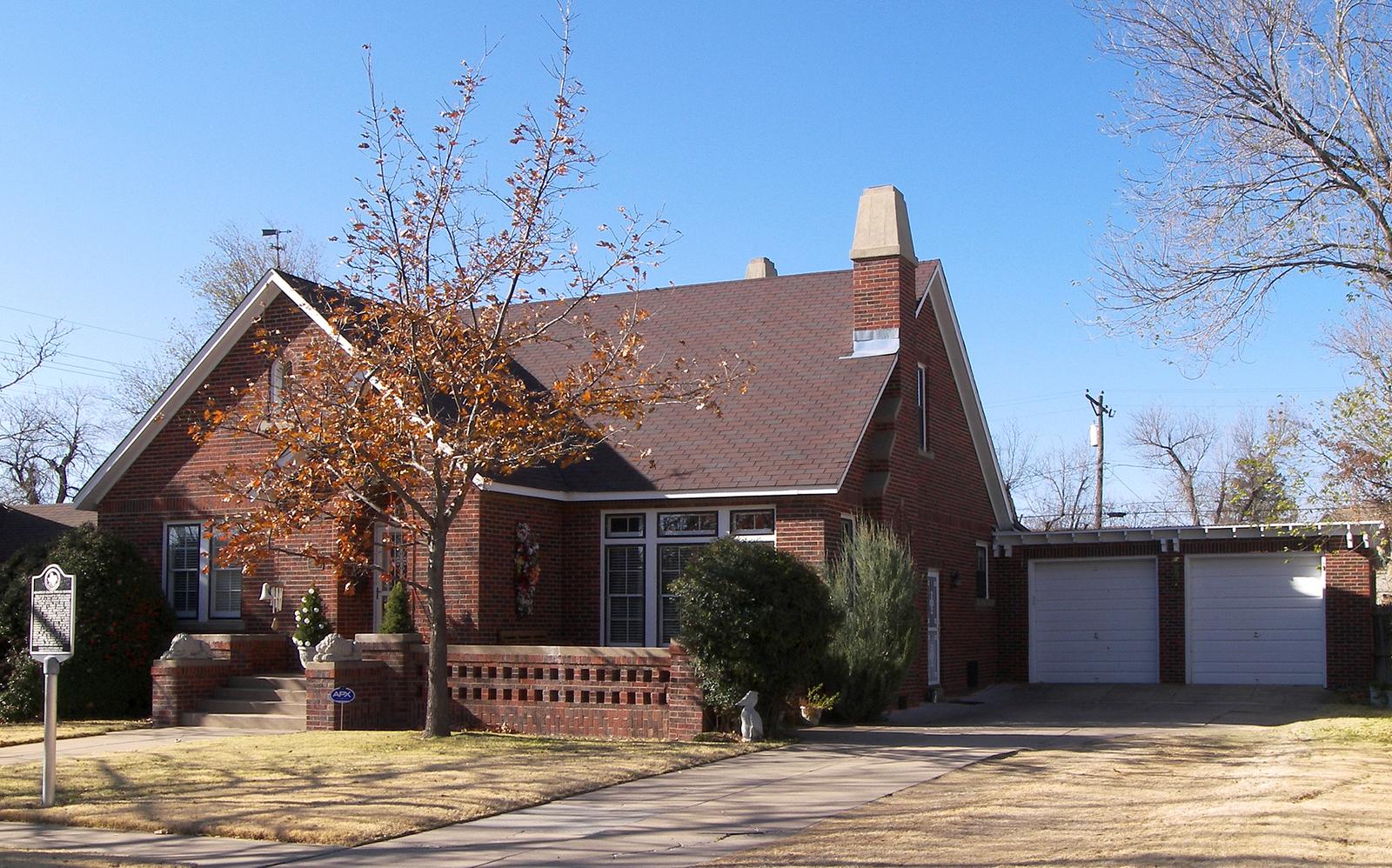
The Amarillo City Council has recently adopted updated zoning and development regulations that will affect property owners, developers, and residents across the city. The new rules, which took effect July 1, introduce revised zoning classifications intended to streamline housing construction and regulate commercial growth in key neighborhoods.
These changes come amid ongoing concerns about Amarillo’s housing affordability and the demand for modern commercial spaces. City planners highlight that growth pressures and evolving community priorities have prompted revisions last considered more than a decade ago. The most recent Amarillo Comprehensive Plan (2025) underlined the need for greater flexibility in zoning to support a growing population, projected to increase by 8% over the next five years.
What Amarillo Residents Can Expect
For homeowners and renters, the zoning update includes new allowances for accessory dwelling units (ADUs) in several residential zones. Local advocates note this could increase affordable housing options by enabling property owners to add smaller living spaces on their lots. However, some neighborhoods that previously allowed mixed-use development will see stricter limits aimed at preserving community character.
On the commercial side, the new zoning code creates a "Neighborhood Commercial" zone designed to encourage small businesses like cafes, boutique shops, and service providers closer to residential areas, potentially improving local access to amenities. Policy analysts emphasize this zoning could support downtown Amarillo’s revitalization goals while managing traffic and noise impacts.
Data Highlights and Economic Impact
According to the city’s economic development office, Amarillo approved 1,200 new housing units in the 2025 fiscal year, a 15% increase over the previous year partly facilitated by zoning reform efforts. The updated zoning is expected to support a similar or higher growth trajectory. The budget for city planning and development services includes $2 million allocated this fiscal year to implement the new zoning map and conduct community outreach.
Local construction firms and developers have indicated interest in using the revised mixed-use and residential zones to launch new projects, citing clearer regulations as a factor in investment decisions. Meanwhile, public service providers anticipate that denser growth in select areas could require adjustments in infrastructure, including water, sewer, and transit services.
Moving forward, the Amarillo Planning and Zoning Commission will meet monthly to review development applications under the new code. Residents are encouraged to participate in upcoming public forums scheduled for August and September to share feedback and learn more about specific neighborhood impacts. City officials say ongoing monitoring and adjustments will be part of the policy’s rollout to ensure that development aligns with community expectations and capacity.